

Choosing the right paint brush for your project makes a big difference in the finish and ease of application. Here’s a comprehensive guide to help you pick the perfect brush for every painting job:
🎨 How to Choose the Right Paint Brush for Every Painting Project
1. Know Your Paint Type
- Water-Based (Latex) Paints
➤ Use synthetic bristles (nylon or polyester). These don’t absorb water, keeping bristles firm and effective. - Oil-Based Paints
➤ Use natural bristles (hog/bristle hair) for a smooth application and minimal brush marks.
2. Match the Brush Size to the Job
| Brush Size | Best For |
|---|---|
| 1–2 inches | Trim, windows, corners, touch-ups |
| 2.5 inches | General-purpose brush for small/medium areas |
| 3–4 inches | Walls, doors, large surfaces |
3. Choose the Brush Shape
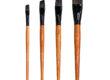
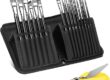
- Flat Brush
➤ Best for large, flat surfaces and bold strokes. - Angled (Sash) Brush
➤ Ideal for cutting in edges, trim work, and corners. - Round or Tapered Brush
➤ Great for detail work, furniture, and curves.
4. Quality Matters
- Higher-quality brushes hold more paint, offer better control, and leave fewer streaks or bristle marks.
- Look for:
- Tapered bristles
- Firm, flexible construction
- Secure ferrule (metal band holding bristles)
5. Specialty Brushes
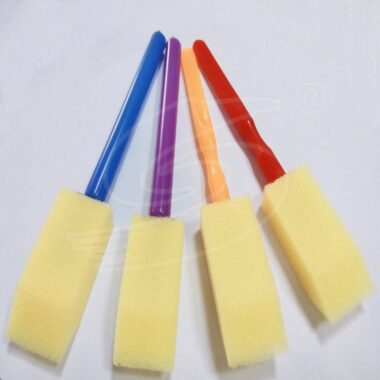
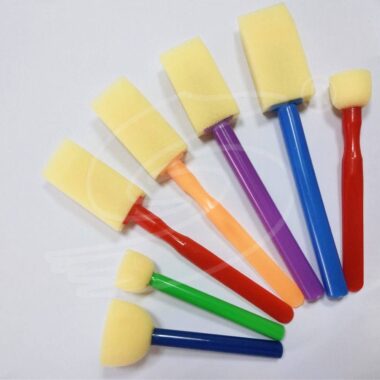
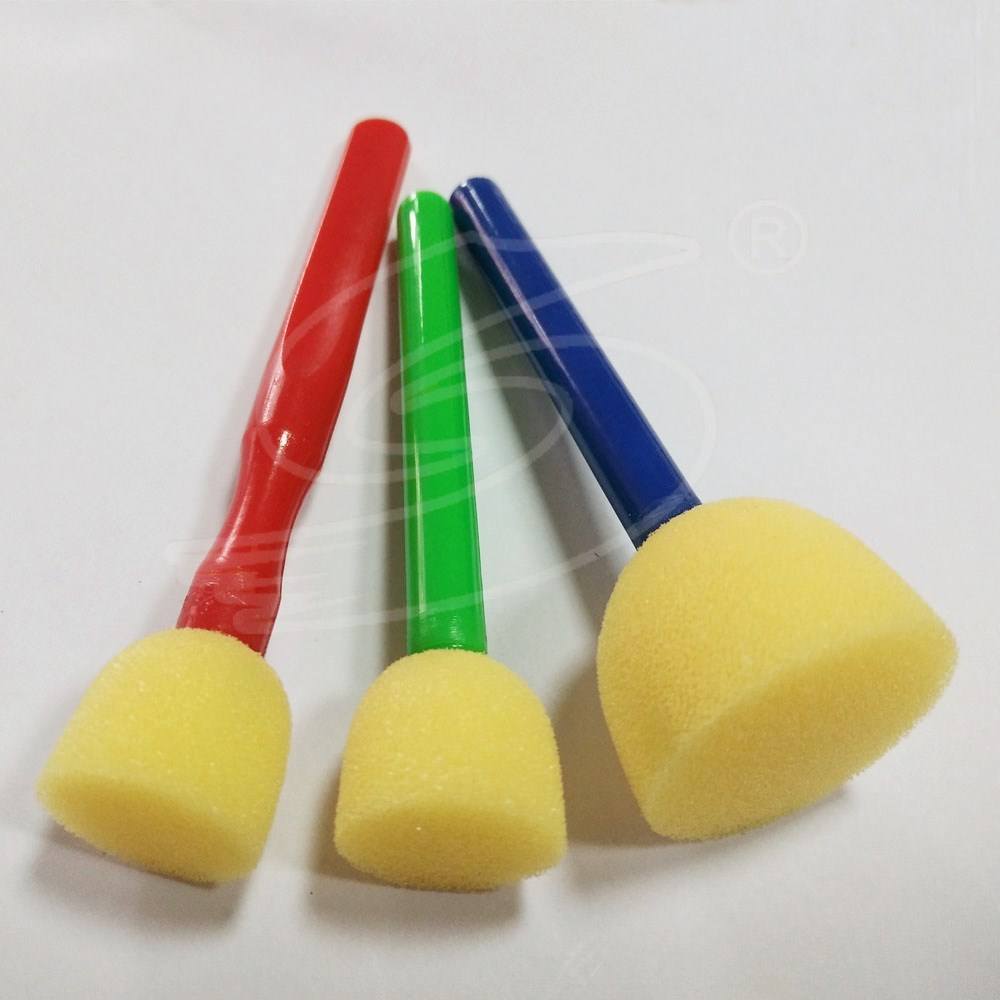
- Foam Brushes – For super smooth finishes on cabinets or furniture; best with water-based paints.
- Stencil Brushes – Short, firm bristles for dabbing over stencils.
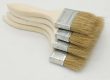
- Chip Brushes – Inexpensive, disposable; good for adhesives or rough work.
6. Maintenance Tips
- Clean immediately after use (soap & water for latex, mineral spirits for oil-based).
- Comb through bristles to keep shape.
- Store hanging or flat to avoid bending.
Final Tip: Always invest in a brush based on your project’s needs — it’s better to have a small collection of the right brushes than to rely on one for all.
Want personalized brush recommendations based on your next project? Just let me know!